
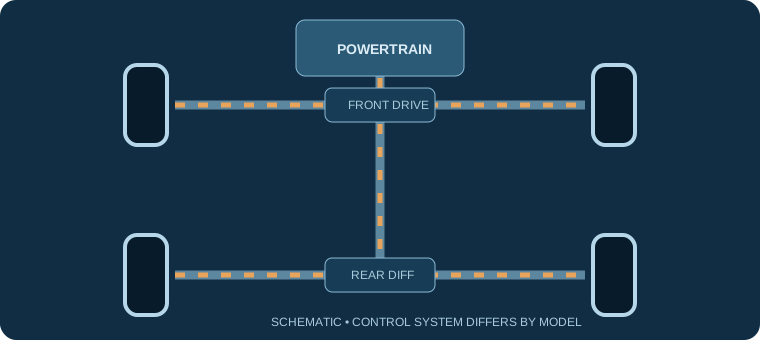
How power reaches the road
The engine and transmission send power toward the front and rear wheels. Front and rear differentials allow wheels on each axle to rotate at different speeds while cornering. The mechanism that manages front-to-rear power differs among Subaru models and transmissions; it is not always the same separate center differential.
Why matched tires matter
Four tires that differ substantially in size or wear can rotate at different speeds even on a straight road. That can put unnecessary strain on AWD components. We check size, condition and tread depth together and consult the owner’s manual before recommending one tire or a full set.
The extra maintenance items
An AWD Subaru has front and rear driveline components to inspect, including differential fluid where specified, axle boots and joints, and the components that distribute power. The exact fluid and schedule depend on the model and year.
Suspension affects the whole car
Alignment, worn suspension parts and tire wear can change how the Subaru tracks and how its tires wear. We look at these as a system, particularly if you notice vibration, pulling, noises or uneven tread.
AWD is useful, but tires still do the gripping
AWD helps a car accelerate when traction is limited. Braking and turning still depend heavily on tire grip, so appropriate tires and good condition matter in Whatcom County weather.
AWD, tire and differential service in Bellingham.
When tires wear unevenly or the Subaru develops a vibration or driveline noise, we look at the whole system. Tire size and tread, suspension, axles and differential service can all matter. We confirm which AWD system your model uses before discussing fluids or a repair; a BRZ is rear-wheel drive and does not belong in a generic AWD recommendation.
Explore Subaru repair or maintenance for the next step.
What’s next?
Before replacing just one tire or chasing an AWD warning, call us with your model and tire details.
Call 360-325-SUBI